
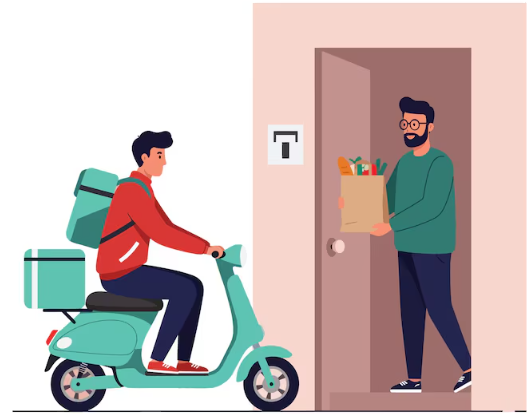
Restaurant delivery has moved far beyond being a convenient option for occasional takeaway nights. It has become an important part of how people interact with restaurants, choose meals, and organise everyday routines.
Customers now expect ordering to be quick, menus to be easy to browse, payment to be simple, and food to arrive in good condition.
As technology develops and customer expectations continue to change, restaurants are adapting their delivery models to provide smoother and more flexible experiences.
From mobile ordering and personalisation to smarter kitchens and more sustainable packaging, several trends are shaping what restaurant delivery may look like in the years ahead.
Mobile Ordering Is Becoming the Standard
Smartphones have changed the way customers discover and order food. Instead of calling a restaurant, many people now prefer to browse menus, customise dishes, complete payments, and track orders from their phones.
This shift is encouraging restaurants to make their digital ordering systems faster and easier to navigate. Clear menu categories, accurate dish descriptions, simple customisation options, and secure payment systems can all make the ordering process more convenient.
Mobile ordering also gives customers greater control. They can take their time comparing dishes, checking ingredients, selecting extras, and choosing a suitable delivery time without feeling rushed.
Direct Restaurant Delivery Is Growing in Importance
Third-party delivery platforms remain a major part of the market, but many restaurants are also developing stronger direct-ordering options.
Ordering directly from a restaurant can create a more consistent connection between the customer and the brand. Customers may receive clearer menu information, access restaurant-specific choices, and communicate through a familiar ordering experience.
For example, customers looking for restaurant delivery can increasingly expect digital systems designed to make choosing meals, arranging delivery, and completing an order straightforward.
Direct ordering also allows restaurants to better understand how customers use their menus, which dishes are frequently ordered, and when demand is highest.
Personalisation Is Changing the Digital Menu
Restaurant menus are becoming more responsive to individual preferences. Digital platforms can make it easier for customers to repeat previous orders, select preferred ingredients, or identify dishes that match their tastes.
Personalisation does not necessarily mean complicated technology. Even simple features can improve the experience, including:
- Saving favourite meals.
- Remembering previous orders.
- Showing popular dishes.
- Offering easy ingredient customisation.
- Displaying relevant dietary information.
- Suggesting suitable additions to an order.
Smarter Kitchens Are Supporting Faster Fulfilment
Delivery innovation is not limited to the customer-facing side of the restaurant. Technology is also changing how kitchens manage incoming orders.
Modern kitchen management systems can help staff organise orders from dine-in customers, collection orders, and delivery requests at the same time. Digital displays can replace printed tickets, while automated systems can help prioritise orders according to preparation and collection times.
Better coordination can help restaurants prepare meals more consistently while keeping delivery operations organised during busy periods.
Some restaurants are also adjusting kitchen layouts so that delivery orders can be packed and collected without interfering with normal dining-room service.
Customers Expect Better Order Visibility
Tracking has become a familiar feature across many digital services, and food delivery is no exception.
Customers increasingly want to know when their order has been received, when preparation has started, and when the food is on its way. Clear updates can make the delivery process feel more predictable.
Restaurants and delivery services are therefore investing in better communication systems. Notifications, estimated arrival times, and live status updates help customers understand where their order is within the delivery process.
Sustainable Packaging Is Becoming More Important
Packaging plays a major role in restaurant delivery because it must protect the food while also being practical to transport.
At the same time, restaurants are paying greater attention to the amount and type of packaging used. Paper-based containers, recyclable materials, and reduced plastic use are becoming more common across the food industry.
Good packaging also has a functional purpose. It helps maintain temperature, prevents leaks, separates different components of a meal, and ensures dishes arrive in a condition that reflects how they were prepared.
Future packaging development is likely to focus on balancing convenience, food quality, cost, and environmental considerations.
Delivery and Collection Will Continue to Work Together
The future of restaurant ordering is unlikely to depend on delivery alone. Many customers switch between eating in restaurants, collecting meals, and having food delivered depending on the situation.
Someone working from home may choose delivery at lunchtime but collect dinner on the way home another day. Restaurants therefore benefit from offering several ordering options through the same digital system.
The Future Is About a Smoother Ordering Experience
Restaurant delivery is becoming more connected, personalised, and technology-driven. Mobile ordering, direct restaurant platforms, smarter kitchens, improved tracking, sustainable packaging, and flexible fulfilment options are all helping shape the next stage of the industry.
The biggest change, however, may be the growing expectation of simplicity. Customers do not necessarily want more complicated technology. They want technology that removes unnecessary steps and makes ordering food feel effortless.
To Sum Up
As restaurants continue to improve their digital services and delivery operations, the most successful developments will likely be those that quietly make the entire journey easier, from choosing a meal to opening the order at the door.